
Cybersecurity
How to Spot a Scam Email Now That They Look Real
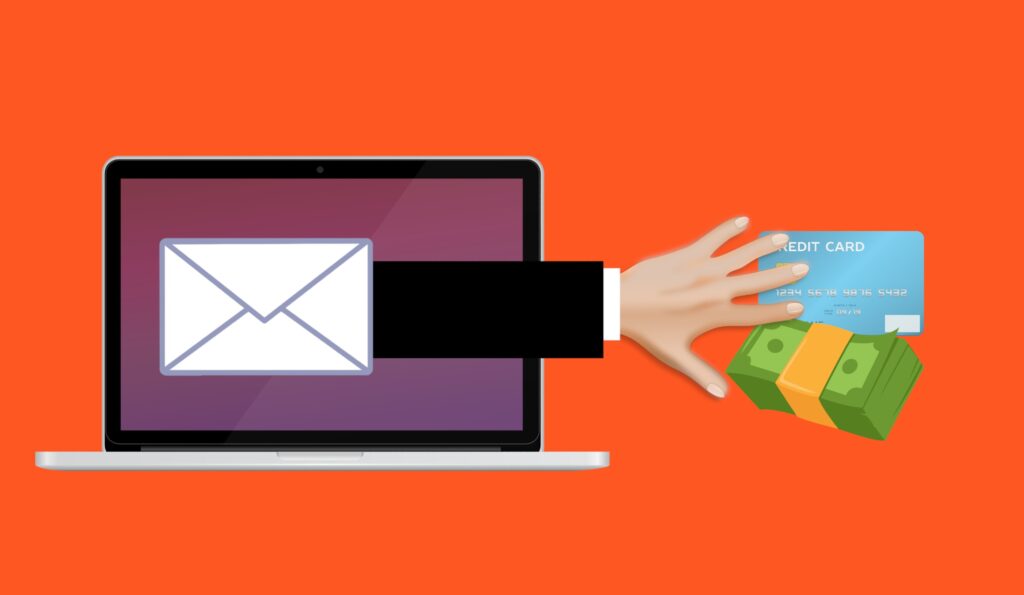
Summary: Scammers now use AI to write their phishing emails, so the spelling and grammar mistakes that used to give them away are gone. The UK’s National Cyber Security Centre and the FBI both warn that AI makes these messages cleaner, more personal, and harder to spot. The way to catch them now is to…
Read MoreWhat to Do in Case of a Cyberattack (Step by Step)
Article Summary: If your business is hit by a cyberattack, the first hour matters. Disconnect the affected devices from the network instead of powering them off, call your IT provider by phone, and leave the evidence in place. If money was wired to a scammer, call your bank right away. This post is the step-by-step…
Read MoreWhat Are Passkeys, and Should Your Business Use Them?

Article Summary: A passkey lets you sign in to an app or website using the same fingerprint, face, or PIN you use to unlock your phone or laptop, with no password to type. It’s built on a security standard called FIDO that can’t be phished, because the passkey only works on the real site and…
Read MoreHow to Stop Scammers from Sending Emails in Your Company’s Name
Article Summary: Email spoofing is when a scammer sends a message that appears to come from your domain, often to trick your clients or staff into paying a fake invoice or changing banking details. Three DNS records (SPF, DKIM, and DMARC) prove that a message really came from you and tell receiving mail servers to…
Read MoreQR Code Scams: What They Are and How to Protect Your Business
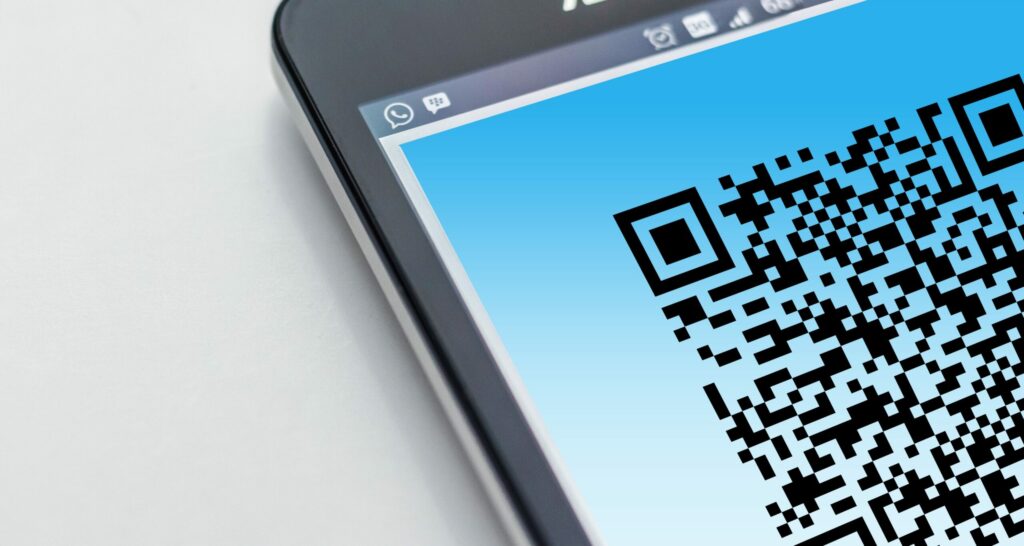
Article Summary: A QR code scam, sometimes called quishing, hides a malicious web link inside a QR code. Because the link is buried in an image instead of written as text, it slips past the email filters that normally catch bad links, and scanning the code usually moves the victim onto a personal phone that…
Read MoreHow Small Business Ransomware Attacks Work (And How to Protect Against Them)
Small businesses are the most common ransomware target by volume of incidents, even though many small business owners assume hackers focus on larger organizations. A 22-person company has enough revenue to be worth attacking, no dedicated security team to defend it, and a publicly traceable footprint that takes about an hour to research. What follows…
Read MoreWhy Human Habits Are Your Biggest Security Risk
Most cyberattacks do not start with a sophisticated intrusion. They start with a click on a personal email, a reused password, or a file uploaded to a familiar cloud service because the approved option felt slower. The Verizon Data Breach Investigations Report found that 68% of breaches involve the human element. Not a zero-day exploit.…
Read MoreIs Your Invoice a Deepfake? Securing Your Accounts Payable Process Against Voice and Email Cloning
It’s a statistic that sends a shiver down the backs of SME owners, managers and employees. According to the FBI’s 2025 Internet Crime Report, business email compromise (BEC) cost US businesses more than $3 billion last year. This makes it one of the most financially damaging cybercrimes on record. AI has made these attacks harder…
Read MoreAdversary-in-the-Middle Attacks: How Phishing Sites Steal Your Active Login
You click a link, sign in, approve the MFA prompt, and get on with your day. Completely unaware that someone else just logged into your account at the same moment. That scenario surprises many businesses, particularly those that rely on multi-factor authentication (MFA) to protect cloud accounts. But this is exactly how Adversary-in-the-Middle (AiTM) phishing…
Read MoreThe “Session Cookie” Hijack: Why MFA Can’t Always Save You
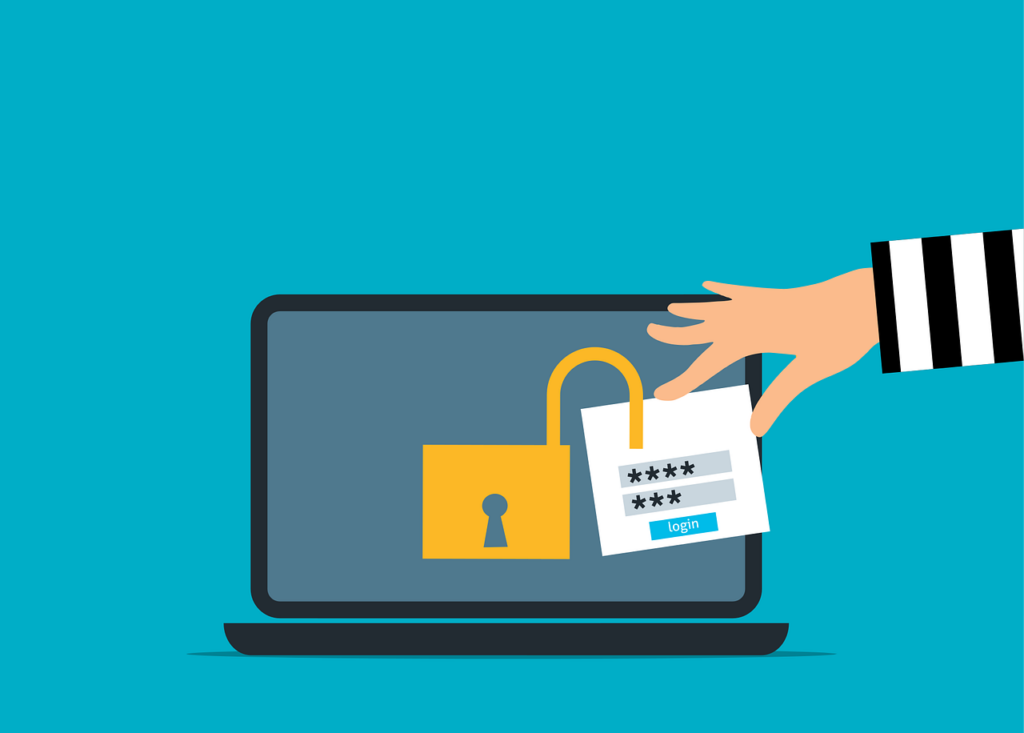
MFA is a strong front-door lock. But it’s not the only thing that decides whether someone can get in. After you sign in, your browser keeps you logged in using a session token (often stored as a cookie). It’s the digital version of a wristband at an event: once you’ve been checked, the wristband proves…
Read More